

Bengal’s Durga Puja Pandals: A Canvas of Expression Amid Political Shifts
As the festive season of Durga Puja approaches, West Bengal stands at a crossroads of culture and politics, with its iconic pandals reflecting the region’s dynamic socio-political landscape....

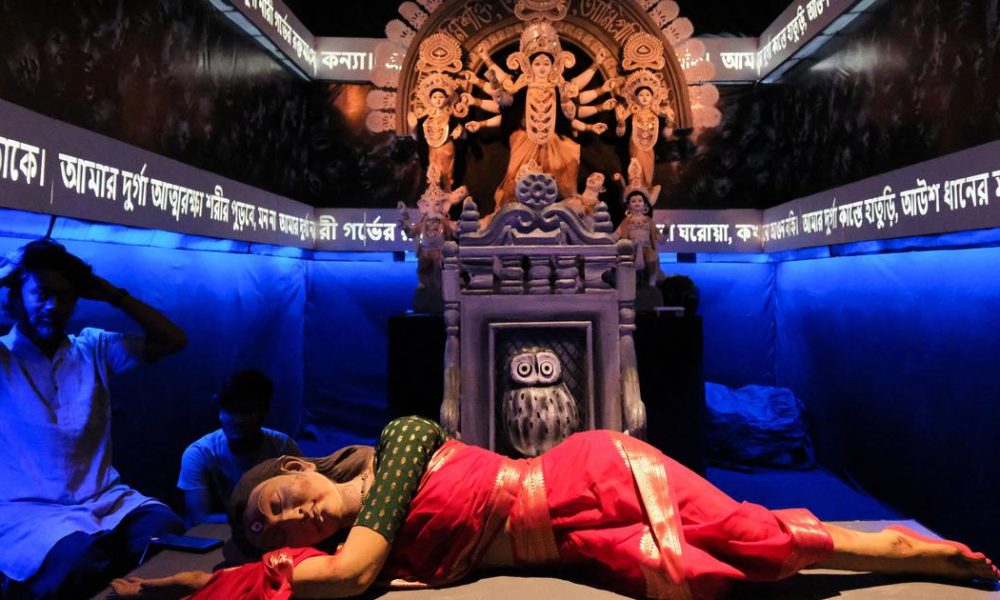
As the festive season of Durga Puja approaches, West Bengal stands at a crossroads of culture and politics, with its iconic pandals reflecting the region’s dynamic socio-political landscape. Last year’s celebrations unfolded against a backdrop of heightened anxiety, as reports surfaced of Bengali-speaking individuals being forced across the border, accused of being Bangladeshi. This unsettling situation stirred public concerns about citizenship rights and the impending Special Intensive Revision of electoral rolls. In this climate of uncertainty, Durga Puja pandals emerged as bold statements of Bengali identity and resilience.
The Chaltabagan Sarbojanin pandal in Kolkata showcased the theme “Ami Banglay Bolchi” (I Am Speaking Bengali), which traced the historical journey of the Bengali language and its significance in the cultural identity of the community. This artistic homage to language exemplified how the pandal creators used their platforms to confront the prevailing discourse of exclusion. Similarly, the Aswininagar Bandhumahal pandal delved into the historical trajectories of Bengalis, highlighting their experiences through shifting political landscapes and the ever-changing flow of local rivers, symbolizing both continuity and change.
Another noteworthy contribution came from the Ramgarh Raipur Club pandal, which poignantly narrated the plight of migrant workers who found themselves unable to return home to celebrate the festival. These artistic interpretations served as powerful interventions, challenging the currents of division stirred by political rhetoric. In a time where identity and language were being weaponized as tools of division, these pandals became sanctuaries of expression, fostering a sense of unity and pride among the Bengali populace.
The situation, however, has become more complex following the Bharatiya Janata Party’s (BJP) victory in the state elections in 2026. In a pre-festival directive, Chief Minister Suvendhu Adhikari emphasized the importance of adhering to the rich traditions and cultural heritage of Durga Puja. His statement warned organizers to ensure that their themes, decorations, and idols align with culturally accepted norms, signaling a potential shift towards increased scrutiny over creative expressions during the festival.
As the Durga Puja celebrations draw nearer, it remains to be seen how these pressures will influence the artistic narratives presented in the pandals. What is clear, however, is that the Durga Puja festival continues to be a vital platform for socio-political commentary, reflecting the evolving identity of West Bengal. Whether as a celebration of culture or a form of dissent, the pandals will undoubtedly remain at the heart of public discourse, inviting engagement from local communities and beyond.
Source: scroll.in







No Comment! Be the first one.